The Real Story Behind In-N-Out Animal Style
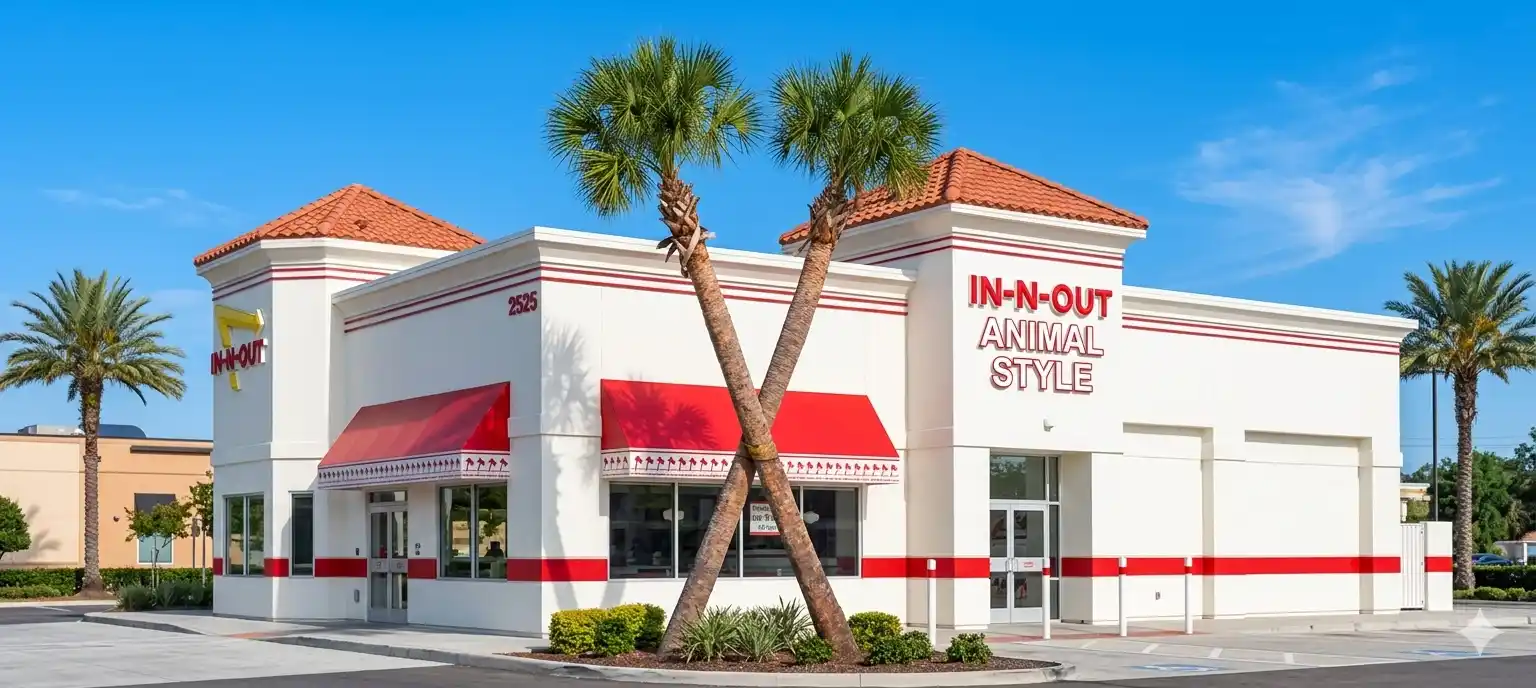
If you have ever spent ten minutes on a road trip forum or watched a YouTube food channel review the In-N-Out menu, you have heard someone bring up Animal Style with the kind of reverence usually reserved for limited edition sneakers or out of print vinyl records. The order has built such a strong cultural following that customers who have never set foot in California still know exactly how to ask for it, which is unusual for a menu item that the chain does not even print on its own board. The story of how Animal Style became the most recognizable secret order in American fast food is more interesting than most people realize, and it has very little to do with marketing and almost everything to do with how the chain has chosen to operate for the past seventy seven years.
Where It Actually Started
The exact origin date of Animal Style has never been officially documented, which is partly why so many myths have grown up around it. The most widely accepted timeline traces the order back to the late 1960s or early 1970s, when surfer culture and Southern California car culture were both peaking in the suburbs around Los Angeles. According to longtime regulars and a handful of crew members who worked at the chain during that era, the term Animal Style was used informally to describe customers who would walk up to the counter with a slightly disheveled, post beach look and ask for their burger to be customized with extra everything. Mustard cooked into the patty, extra spread, grilled onions, and pickles. The crew started calling these customers animals as a friendly jab, and the order eventually picked up the same name.
The mustard fried technique is what really distinguishes Animal Style from a basic customized burger. Brushing yellow mustard onto a raw patty before it hits the flat top was a technique used at older Southern California diners going back to the 1940s, and the In-N-Out kitchen incorporated the method long before the term Animal Style became widely used. What the chain did differently was combine the mustard fried patty with the rest of the customizations into a single named order, which made it easier for regulars to communicate what they wanted without giving the crew a long list of modifications.
The Quiet Cultural Rise
For most of the 1970s and 1980s, Animal Style was known only inside Southern California, and even within that region, it was mostly a regulars only order. The chain did not advertise it, did not mention it on the menu board, and did not train new crew members to suggest it. You either knew about it because a friend had told you, or you stumbled onto it after enough visits to start chatting with the crew.
What changed in the 1990s and early 2000s was the internet. Food blogs, message boards, and eventually social media gave Animal Style a national audience for the first time. Travelers who had visited California started writing posts about the secret menu, and the order became a kind of badge of honor for first time visitors. By the mid 2000s, Animal Style had become so widely known that the chain finally added it to a Not So Secret Menu page on their official website. The acknowledgment was quiet and unceremonious, but it confirmed what regulars had been telling tourists for decades.
What Makes Animal Style Actually Different
Beyond the cultural story, there is a real reason Animal Style has held up as an order rather than fading into food trivia. The combination of techniques and ingredients creates a burger that genuinely tastes different from a standard Cheeseburger or Double-Double, and the difference is not subtle.
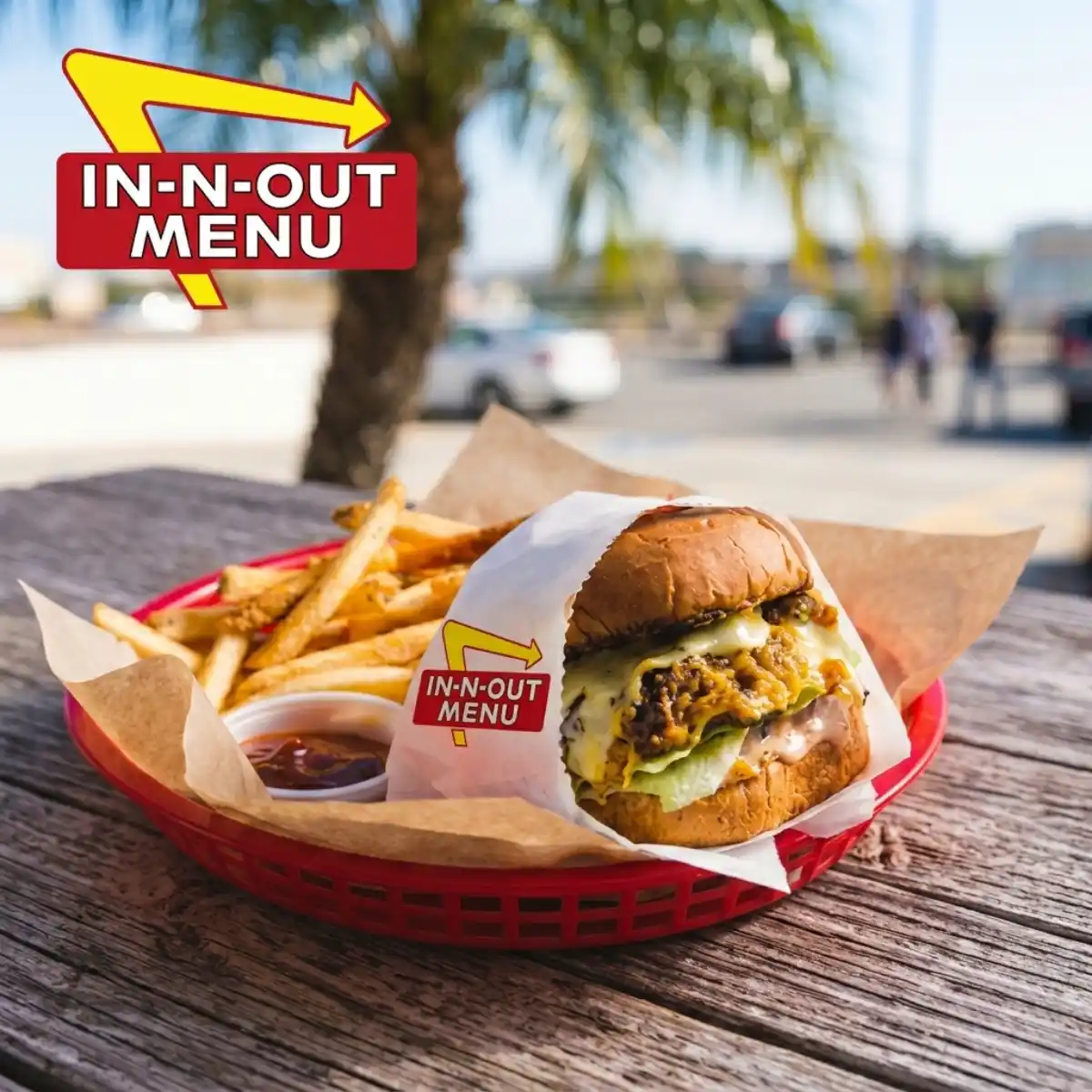
The mustard fried patty develops a sharp, tangy crust that you simply cannot get from a plain patty. As the mustard hits the hot griddle, the vinegar burns off and the natural sugars in the mustard caramelize against the beef, creating a thin layer of flavor that fuses to the surface of the meat. The extra spread brings additional richness without being cloying. The grilled onions, cooked low and slow on the same flat top as the patties, pick up flavor from the beef drippings and add a sweet, jammy note. The pickles cut through the richness with a sour pop that resets your palate between bites.
The result is a burger with four distinct flavor layers happening simultaneously, which is rare at any fast food chain. Most burgers rely on one dominant flavor, usually cheese or beef. Animal Style gives you tang, sweetness, salt, and acid all working together in a single bite.
Why It Stays Popular
Animal Style has remained the most ordered secret menu item at the chain for two reasons that have nothing to do with the food itself. The first is that it is free. The chain does not charge extra for Animal Style on a basic burger, which means you can upgrade your order from a $3.15 Cheeseburger to something genuinely more interesting at no additional cost. In an era of fast food chains constantly adding premium menu items at premium prices, a free upgrade with this much flavor impact is genuinely rare.
The second reason is that it has become a kind of social signal. Ordering Animal Style at the speaker tells the crew that you know the menu, and it tells anyone in your car or behind you in line that you understand the chain. That small status moment, however silly it sounds, has kept the order alive across generations.
How to Try It for the First Time
If you have never ordered Animal Style and you want to see what the fuss is about, the simplest entry point is to walk up to the counter or pull up to the speaker and say, “Cheeseburger Animal Style, please.” That is the entire order. The crew will know exactly what you mean, and the burger will arrive in roughly the same amount of time as a standard build. For a bigger first try, you can order a Double-Double Animal Style instead, which gives you the same flavor profile on a heavier burger.
The first bite is the one that matters. Pay attention to the tang of the mustard crust, the richness of the extra spread, the sweetness of the grilled onions, and the bright acid of the pickles. Most people understand the appeal within ten seconds. From there, the rest of the secret menu opens up naturally.
If you want to take this further, head over to our full In-N-Out Secret Menu page for every other off menu order, including Animal Style Fries, the Flying-Dutchman, the Monkey Style Burger, and dozens of other items the crew has been making for decades. The Animal Style entry on this page is just the beginning of a much larger off menu world that most customers never explore.
For everything else about the chain’s pricing and menu items, head over to our full In-N-Out Menu page or browse the In-N-Out Burgers section for current 2026 prices on every item.